
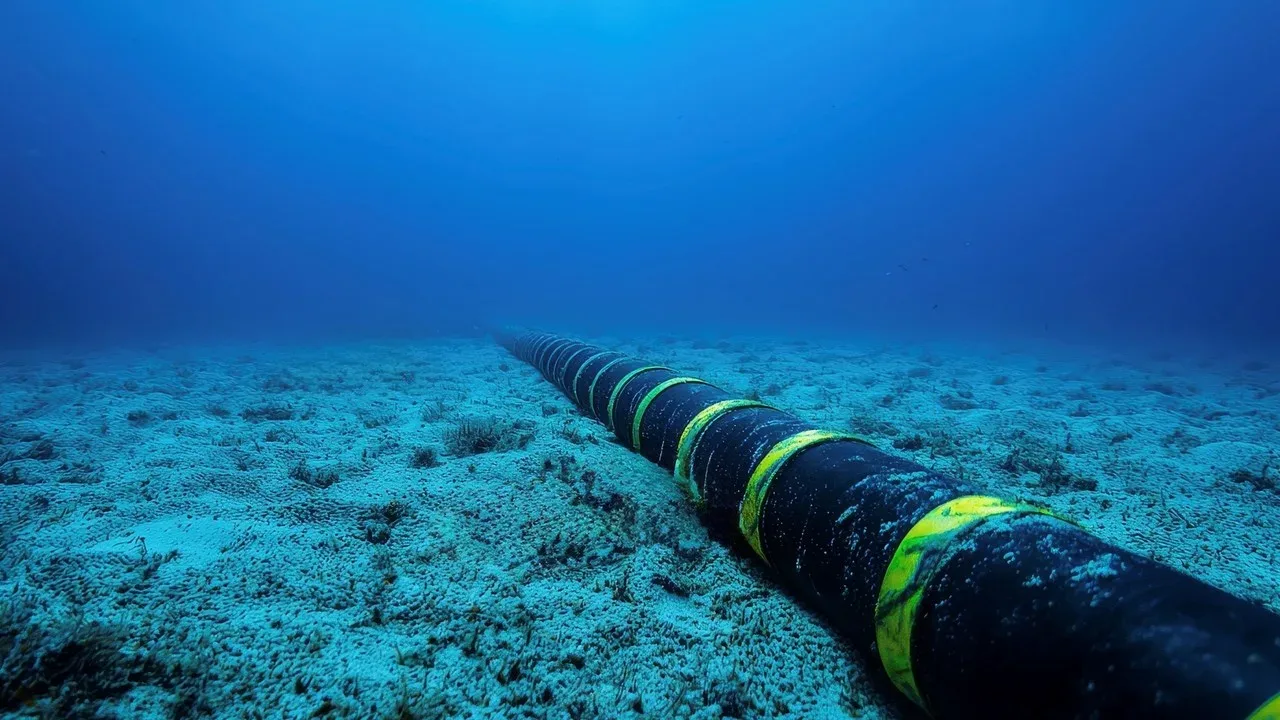


The UK government published a White Paper on October 22 proposing a new statutory framework for protecting critical undersea infrastructure, with prison sentences of up to 14 years for anyone who intentionally sabotages subsea telecoms cables, energy pipelines or electricity interconnectors.
The White Paper, “Critical Undersea Infrastructure Security and Resilience: Proposals for modernising the UK’s legislation,” was published by the Department for Digital, Culture, Media and Sport (DCMS) alongside a 12-week public consultation that closes at 23:59 on January 14, 2027. The proposals would replace the Submarine Telegraph Act 1885, which currently carries a maximum fine of £1,000 and five years’ imprisonment for deliberate damage to cables.
What the proposals cover
The framework would apply to subsea telecommunications cables, electricity interconnectors and pipelines, along with the infrastructure they depend on. It would create a new offence of causing a “security compromise” to critical undersea infrastructure, capturing physical damage as well as remote electronic interference, cyber activity and certain preparatory conduct.
- Up to 14 years’ imprisonment for intentional damage, 10 years for reckless conduct and two years for grossly negligent conduct, each with the possibility of unlimited fines.
- Unlimited fines for ship owners whose vessels damage undersea infrastructure, Help Net Security reported.
- New statutory security and resilience duties for subsea telecoms cable providers, requiring them to identify and manage risks, respond to security compromises and report them to government.
- A national security direction power letting ministers require cable infrastructure and repair operators to take protective steps against threats such as sabotage or espionage.
- A regulatory regime for subsea fibre-optic sensing technologies, covering safeguards for potentially sensitive data collected by systems installed on cables.
The government’s news release frames the package as a response to serious and evolving threats. Anadolu Agency reported that officials cited suspicious Russian activity in British waters among the reasons for tougher penalties and new powers.
Why the stakes are high
A parliamentary written statement accompanying the White Paper notes that subsea telecoms cables carry roughly 99% of the UK’s international data traffic, while pipelines supply about 74% of the country’s gas, with interconnectors and offshore cables supporting power imports from Europe and offshore wind.
The Joint Committee on the National Security Strategy (JCNSS) warned in a September 2025 report that the UK’s undersea internet cable network was a “strategic vulnerability” and called for stronger deterrence. The committee chair said on October 22 that the White Paper responds to those recommendations, including scaled-up monitoring, faster data sharing with law enforcement, and a greater focus on physically interdicting and prosecuting suspicious vessels and crews, according to a parliamentary statement.
What happens next
The proposals are not yet law. TelecomTV reported that the regime would also update the Telecommunications (Security) Act 2021 and the Communications Act 2003, and that companies refusing to comply with future national security direction orders could face fines of up to £17 million or 10% of global turnover. ISPreview reported that the government grouped its legislative proposals into four areas: modernised criminal law, security and resilience duties for cable providers, the national security direction power and the sensing technology regime.
None of the government or parliamentary materials released so far name a specific confirmed sabotage incident against UK subsea cables or pipelines; they discuss vulnerability and deterrence. The consultation invites input from industry, experts and the public before the government finalises draft legislation and introduces it to Parliament.
Operators of subsea cable infrastructure, repair companies and sensing technology vendors with UK exposure should review the White Paper and factor the proposed duties and penalties into planning. They may wish to respond to the consultation before the January 14 deadline.